For nearly a hundred years, two trees framed the curb side view of our house. A house that in 1927, early in the development of the second Kutzky addition, was moved from the corner of 5th Ave and 2nd St SW to its current location on First Street NW. The new boulevards in this early expansion of the city limits were planted with elm saplings.
By the time we bought the quirky house that has been our home for the past 40 years, the trees that survived the ravages of Dutch Elm Disease towered over the roof top. For years, we used them as directional markers, telling visitors “Fourth house on the right from Miracle Mile, with the two big trees.”
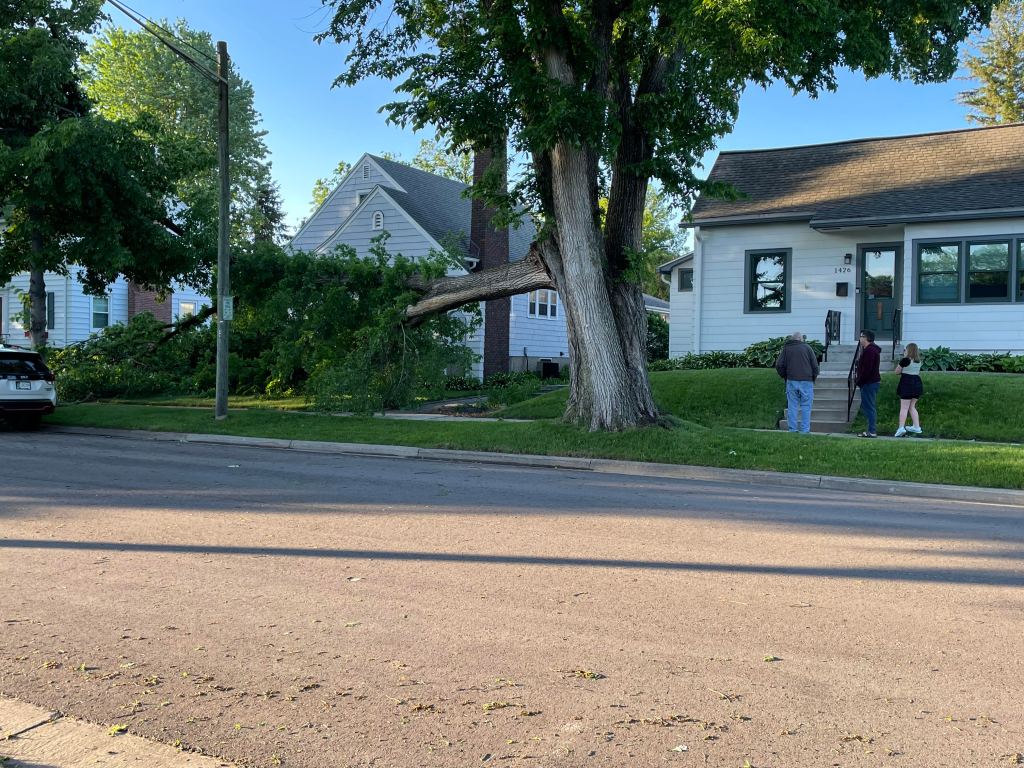
We lost the first half of our pair in July 2013 after the City Arborist determined a thinning canopy was problematic. We were sad to watch it go but also felt a twinge of homeowners’ relief. The previous summer, a thunderstorm felled a matching elm tree across the street with an earthshaking thud. The trunk, branches and a full crown of summer greenery had filled Leona’s driveway and front yard and blocked half of First Street. The systematic removal of the first of our boulevard duo ensured that this weakened giant would not come crashing through our roof.
At the time and using my naked eye and a fingertip, I counted 82 growth rings. Although this methodology may have been unscientific, a tree planted in 1931 did fit nicely into the neighborhood folklore.
With its removal, we noticed an immediate change in summer temperatures. The north-west rooms that had always had deep shade, beginning with spring buds through yellow leafed autumn brilliance, now bore the brunt of the afternoon summer sun. Proving that urban heat island effect is not a myth.
While the remaining tree continued to look healthy, even to the knowing eye of city forestry staff, we began to notice a significant reduction in elm tree seeds. Those flat, papery, almost translucent small disks with a tiny nutlet at the center. Cleanup up formerly required using snow shovels and our vegetable garden plots produced, what I am sure was a ga-zillion sprouts. Recently, tiny tree garden weeds rarely popped up and a quick swipe with the leaf blower over hard surfaces took care of the rest of the seeds.
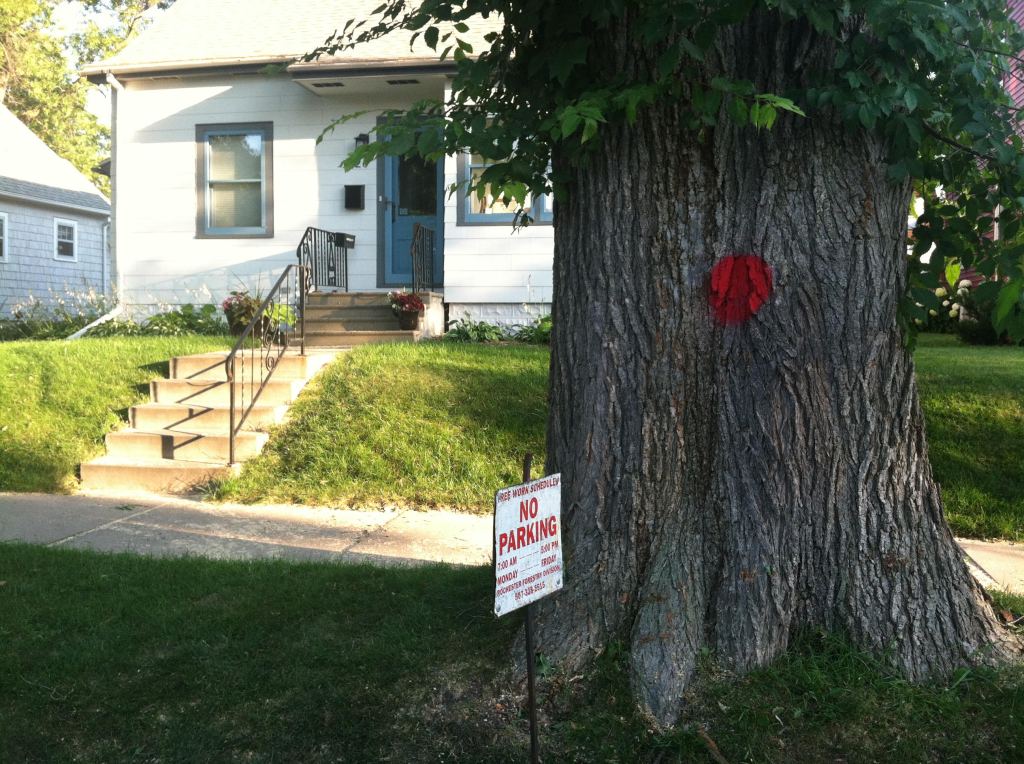
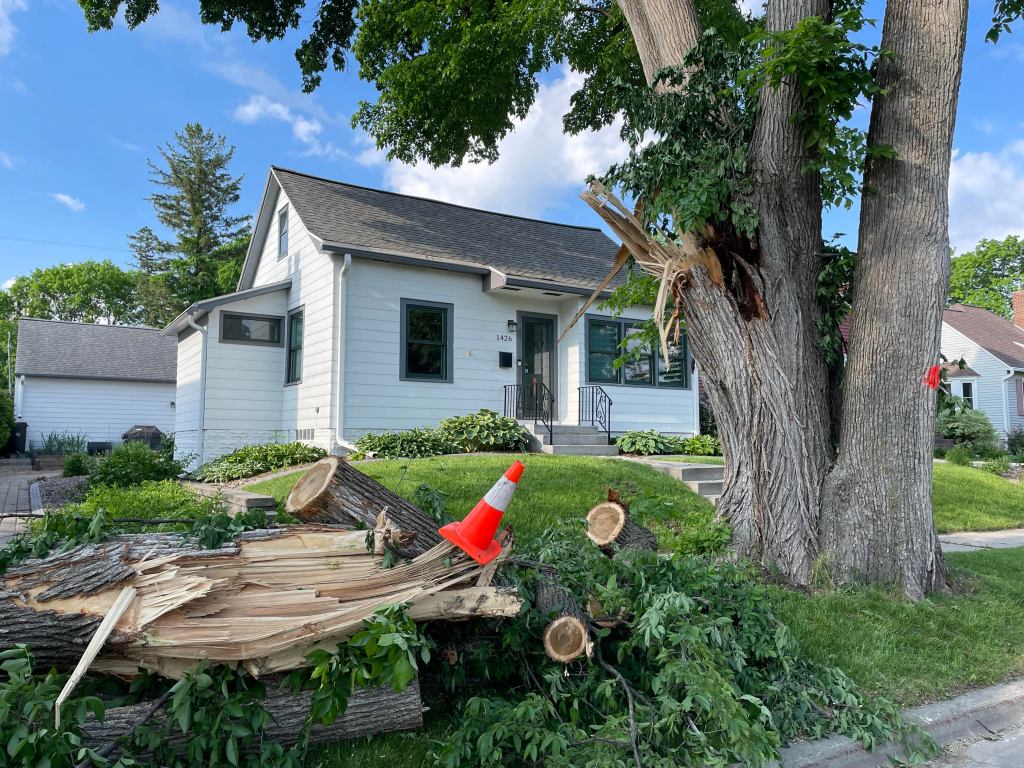
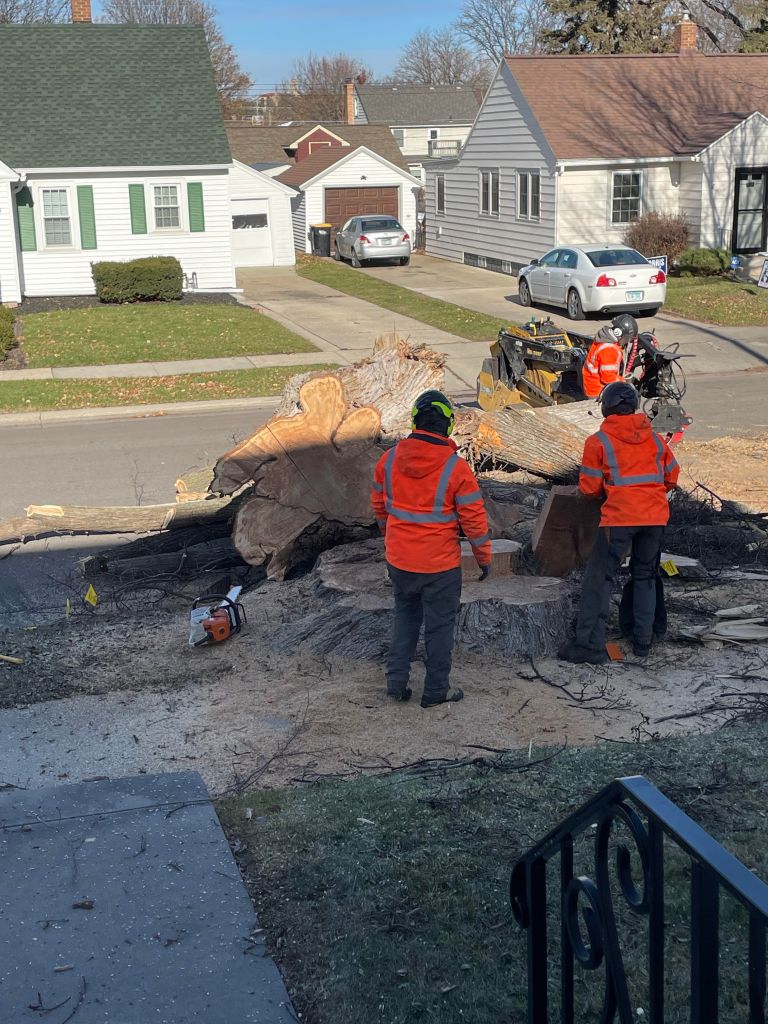
A brisk May-day with freakish high winds, where velocity often exceeded 60-70mph brought down a limb, so large, it filled our next-door neighbor’s yard and half of the next yard. This mammoth splinter revealed a deteriorating center, and the tree received the dreaded orange dot making removal.
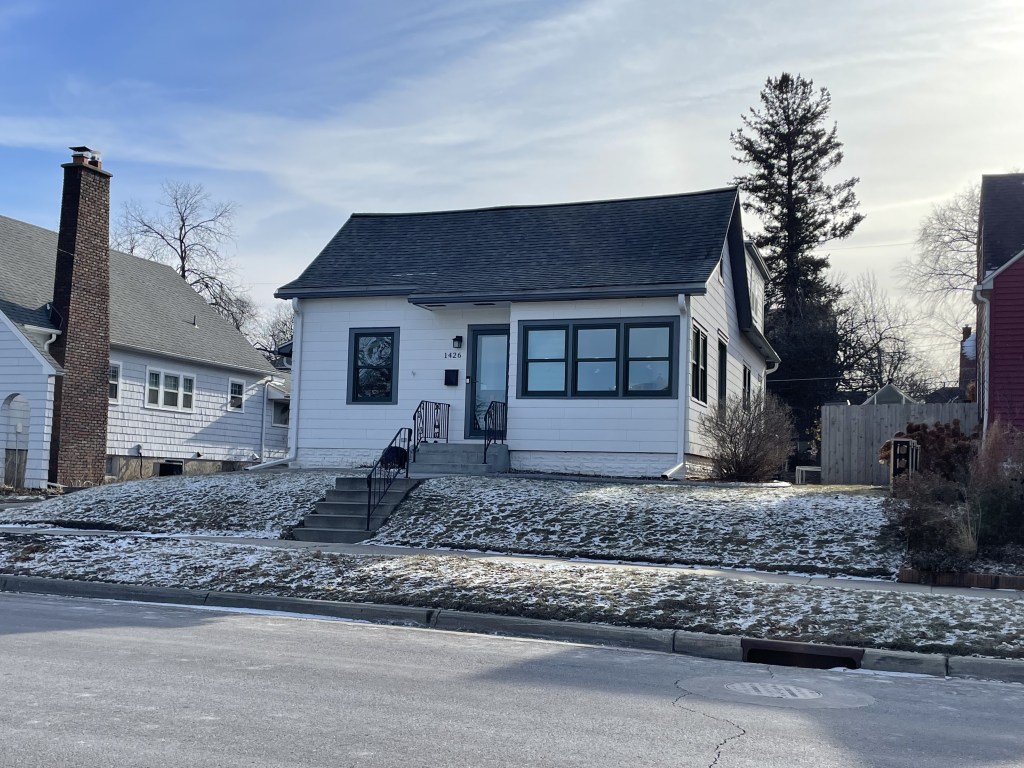
A two-season delay, May until nearly December, gave us one more summer of cooling shade. Now all is bare. The view from the front windows shows only snow-covered dormant grass. No squirrel antics on rough bark or roosting crows. Even the evening streetlight only offers nighttime brightness without the artful shadows from winter’s leafless limbs. The broad trunk with 95 growth rings has been ground to mulch; a lone patch of black dirt with scattered grass seed remains where the majestic ulmus americana once stood. We miss the tall stately life force that has been present for more than half of our lifetimes.


I’m so sorry for the loss of both of your elms. We have two huge oaks that we try to keep well-trimmed and as healthy as possible, but they are probably still too close to the house. They feel like guardians and I don’t look forward to the day they need to be removed. I hope you can plant a new tree or two in the spring, for you and the birds and the squirrels.
LikeLike
Trees make such a difference don’t they. I love them and miss any we have lost or had to cut down. It’s rare to come across an elm tree here, so many lost to disease. Do they plan to replace the trees? I suppose stump removal is very expensive for a local authority to deal with.
LikeLike
Trees are like friends. When one is missing, there is a large hole in our lives… Looking forward to seeing you soon.
LikeLike