Writing

Drawn to the Library

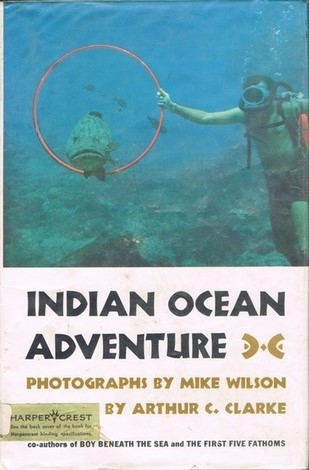
I am a librarian and unabashedly proud of my lifelong career choices. While I was a frequent library visitor as a child, my passion for libraries began when I was ten. During the summer of 1962, between 4th and 5th grades, my mother and a group of her friends worked tirelessly, under the supervision of Mrs. Berlin (the head of children’s services at the public library) to collect and catalog a new school library. It was cobbled together from eight disparate classroom collections and a generous selection of new titles acquired during a successful parish-wide book sale. When school began that fall, along with my best friends Cindy and Jeannie, I began helping in the library after school. As that academic year ended, the PTA sponsored a school-wide contest. I wrote one of the winning essays about the importance of our new library. And, lest you think there as favoritism because Momma was the new volunteer librarian, the essays were submitted anonymously and judged by the PTA officers. I still have the prize – a hard cover copy of the Indian Ocean Adventure by Arthur C. Clarke.

There are those antagonists who claim libraries are no longer needed because everyone can simply buy their books through Amazon. While admittedly a quick source for just about everything from hoses to vitamins, book buying necessitates sufficient discretionary, disposable income. And, even for those of means, there is the practicality of borrowing from the library in solidarity with the 3-Rs – reduce, recycle, reuse.

With nearly five decades of practical experience, I can attest not everything is available through Amazon.

There was the distance learner who was able to complete her PhD. in nursing while employed in a small-town health clinic because expensive medical resources from the University of Minnesota were delivered to her local library though interlibrary loan. Interlibrary loan services that are at risk because the current administration has deemed federally supported intergovernmental library cooperation unnecessary.

The little ones whose caregivers brought them to the library for pre-school storytimes full of stories and pictures, rhymes and alliterations, enhancing early brain development through language.

The students who avoided the dreaded summer slump in reading scores because summer library programs energized curious young minds with books and reading, as well as thematic games and crafts.

The people who filed unemployment claims or submitted job applications at the library’s public access computers because their home situation did not afford internet connectivity, whether because of financial stress or the simple lack of bandwidth in the more rural parts of our state.

With the celebration of National Library Week drawing to a close, remember the times you have been drawn to the library and smile.
Reading

Celebrate Libraries!

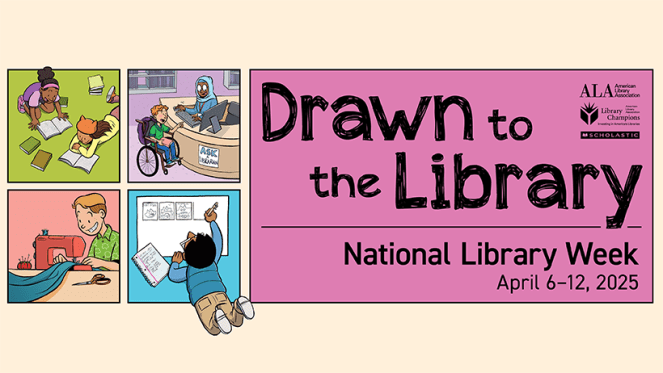
horizonal graphic for 2025 national library week theme, drawn to the library

Celebrate your library during National Library Week and every week. Library services enhance your life and the life in your community whether by sparking creativity, offering a safe community hub, empowering job seekers, protecting the right to read, connecting people with technology, or nurturing young minds while continuing to provide a book collection for all ages. Join others under this year’s theme, Drawn to the Library and celebrate.

Special days and focus:

  • Monday, April 7 – Right to Read Day
  • Tuesday, April 8 – National Library Workers Day
  • Wednesday, April 9 – National Library Outreach Day
  • Thursday, April 10 – National Take Action for Libraries Day, a day to rally support for libraries.
Other items of interest

Hands Øff Rally

Practicing our right to assemble has morphed from an occasional occurrence triggered by an extraordinary event into a regular activity.

My first rally of 2025 was on a frigid, below zero, February day protesting the administration’s rough handling of local immigrants. It was Rochester’s reaction to an early morning ICE raid which removed two restaurant workers without any communication with their families or access to legal assistance. We eventually learned they were removed to a maximum security, for-profit prison in Louisianna despite being in the midst of asylum-seeking legal procedures.

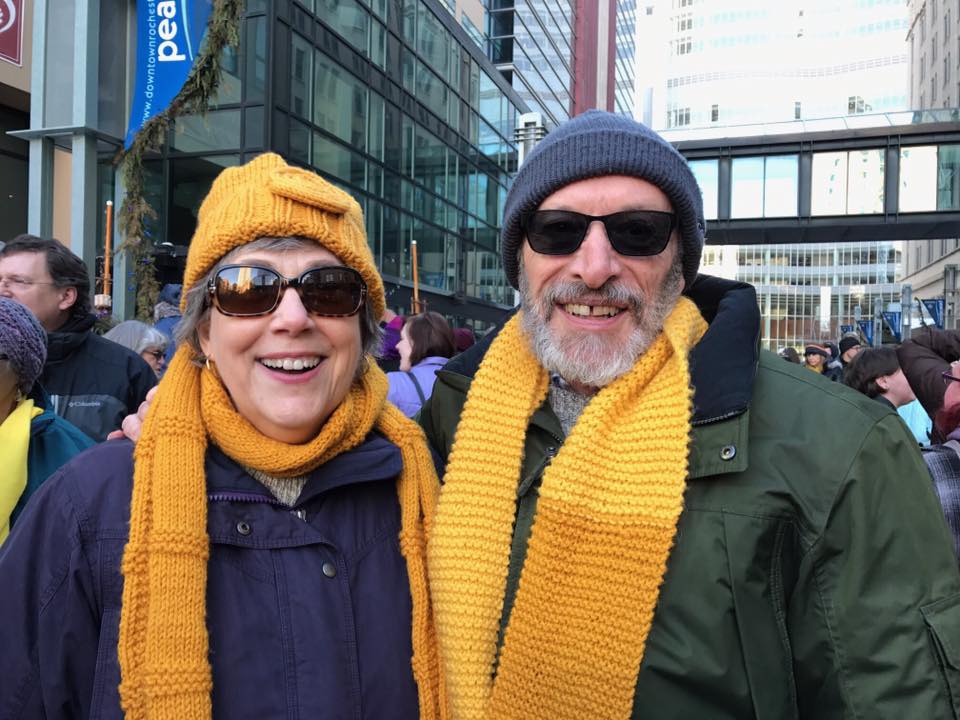
Today’s demonstration was one of over 1,200 of Hands Øff rallies held around the country. Hundreds gathered in Rochester, tens-of-thousands at the Capitol in St. Paul with nearby events from Austin to Wabasha, as well as in every state capitol. This was about showing up, being seen, being heard, and not backing down. Some participants carried signs listing a range of worries, others held hand drawn poster boards focused on specific uncertainties ranging from Social Security to cancer research, from free speech to reproductive rights, from education to national parks; and, of course, hands off libraries. The list goes on and on as it seems nothing about American life is sacred or safe.

I find being aware of the administration’s latest shenanigans, whether I do a quick check or a deep dive, puts a bruise on my spirit and I must remind myself to look to beauty. Poet Lynn Ungar wrote this verse yesterday as we readied ourselves for today’s Hands Øff rally and the work yet to come.

Other items of interest

White House Targets Library Services

ALA show up for our libraries logo

Depending on the era, librarians and library trustees have not been immune from attacks on library collections. What is different today is the scope and scale of the intent to thwart basic library services.

Within the tsunami of Executive Orders coming from the Oval Office, libraries and museums came under attack on March 14. By Monday, March 31, ALL staff at the Institute of Museum and Library Services (IMLS) were placed on leave. And, State Library Agencies were notified that their federally funded grants were terminated, effective April 1, 2025.

Cloaked in sheep’s clothing under the guise of reducing the federal bureaucracy, this is really a wolf huffing and puffing to blow the house down. While local tax dollars fund a major portion of library operations, in big and small communities, the federal funding is the glue that unites libraries into an effective network sharing system.

In Minnesota, these federal funds which “the President has determined are unnecessary” [Section 1. Purpose] fund a wide range of programs and services affecting daily library operations and individual library users. Among those services in jeopardy but not limited to just these:

black and blue MNLINK logo

MNLINK or statewide interlibrary loan and delivery, which ensures that residents have access to the information needed to fulfill their lives, regardless of geographic location.

graphic respresentation of Minnesota in black, blue, green, gold, and white

Minnesota Digital Library (MDL) – a unique partnership with local history centers and libraries to digitize fragile historical items and provide a snapshot of Minnesota life through the centuries with easy online access to over 60,000 pictures, maps, letters, postcards, and objects.

electronic library of minnesota logo in blue gray and green

eLibrary Minnesota (ELM) – a broad selection of online research databases for users seeking information for class assignments, improving career skills, or seeking reputable medical information.

The entire IMLS budget, including staffing, offices, and the pass-through funding to each state and territory constitutes 0.00146% of the federal budget. An amount so small within a ginormous budget that were this a science experiment an electron microscope would be required yet huge in meeting the needs of individual library users. Please contact your Members of Congress and urge your Senators and Representative to protect federal funding for libraries by preventing the dismantling of the Institute of Museum and Library Services (IMLS).

Graphic credit: show up for our libraries – American Library Association (ALA). MNLINK, MDL, and eLm – Minitex.

Reading

Ruth and Freckleface Banned

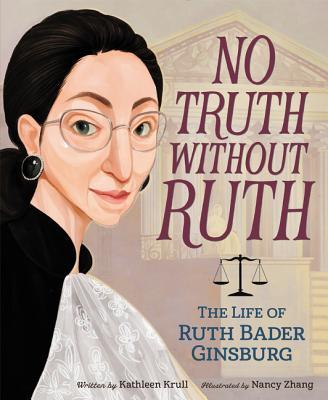
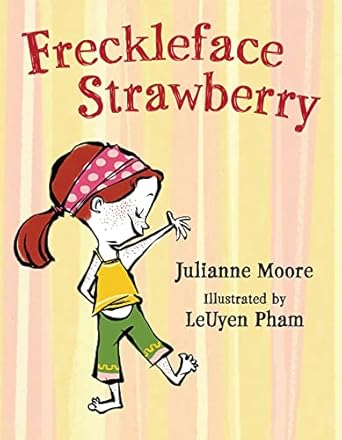
With the firehose of bad decisions spewing forth from this White House, I vacillate between trying to stay informed and wanting to ignore the mistaken path this country blithely follows. As a former children’s librarian, I am dismayed by the administration’s recent order to remove certain picture books from U.S. military schools. In an unstable world with bombs hitting targets in Gaza and Ukraine and civil wars in Sudan and Myanmar, I would think the Department of Defense would have more relevant tasks to undertake than pulling from its school library shelves Freckleface Strawberry by Julianne Moore and No Truth Without Ruth by Kathleen Krull.

Here is a brief synopsis in case you are not familiar with these two picture books.

  • No Truth Without Ruth – An age-appropriate biography of the life of Ruth Bader Ginsburg, from a small girl who chipped a tooth while twirling a baton to Supreme Court Justice making major decisions while donned in a black robe and her signatory lace collar.
  • Freckleface Strawberry – Tired of being teased because of her looks, the story tells of a young girl’s antics to hide her face before accepting her freckles.

While I may be eight years into retirement, my long-held belief in intellectual freedom as basic tenet of librarianship still rings true. As defined by the American Library Association: “Intellectual freedom is the right of every individual to both seek and receive information from all points of view without restriction. It provides access to all expressions of ideas through which any and all sides of a question, cause or movement may be explored.”

I encourage you to read these titles for yourself and determine whether these books are, as described by the administration, “radical indoctrination.” I think not but take a look.

Other items of interest

Jimmy Carter – For Libraries and Women

Jimmy and Rosalyn Carter holding hands and dressed in work clothes, tools and hard hats

While I voted for McGovern in 1972, his overwhelming defeat by Richard Nixon erased memories of having participated in that presidential election. Carter’s rise from peanut farmer to Governor to long-shot for the Democratic nomination captured my imagination and my vote.

He once keynoted a national library conference that I attended. As he did throughout his life, he proudly acknowledged his initial foray into public life began when elected to the Plains Public Library Board of Trustees. He enthralled the audience as he extolled the importance of libraries and librarians. After all, what professional crowd does not like to hear a prominent citizen of the world tell them “Good job?” But after sweeping us along with harmonious, good feelings, he told us that all our hard work was not enough. While cognizant of budgetary limitations, he challenged us to broaden our mission and serve everyone. He demanded that we create collections reflecting varying opinions and that we stand steadfast against censorship while defending freedom of access to information within the “people’s university.” Every attendee left feeling a certain degree of chagrin that we had somehow disappointed our biggest library supporter.

As a deeply spiritual man, he took an unpopular stand that “women and girls have been discriminated against for too long in a twisted interpretation of the Word of God.” He went so far as to paraphrase the popular REM song and proclaim he was “losing my religion for equity.” As a scholar, he knew that in the early centuries of the Christian church women served in prominent roles as teachers, deacons, priests, and even bishops. A review of history reveals that it was not until the fourth century that the rules governing church leadership changed and that shift permeated the whole of society. He offered these profound words:

As we offer final farewell, our country has lost an honorable man, a hero – one who fought for women’s rights and (with a special space in my heart) libraries.

Photo credit: Tampa Bay Times ©2018

Reading

Derek Anderson, 1969-2024

Author Derek Anderson and a group of children each holding a copy of his book, 10 Pigs

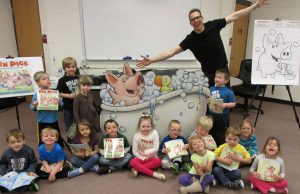
Today, I am re-reading the absolutely hilarious counting book, Ten Pigs: An Epic Bath Adventure – one of my favorites!  In 2016, I accompanied author/illustrator Derek Anderson on a round of library visits.  I sometimes acted as stagehand setting up the gigantic piggy bubble bath and, other times, I served as MC.  Derek enchanted hundreds of children, caregivers, and parents as the featured author in the Once Upon a Reader statewide one-book reading program that promoted the early literacy skills to Talk, Sing, Read, Write, and Play.  With wonderful memories of visiting libraries and having thoroughly enjoyed his ever-growing collection playful children’s titles, I am deeply saddened to learn of his death. Children’s literature and Minnesota libraries have lost a star.

Reading

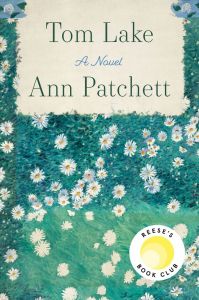
Book Club: Tom Lake

Having migrated from Zoom sessions during those closeted days of Covid self-quarantine, The Directors gathered yesterday at a lunch locale for wine toasts, shared desserts and a book discussion.  While unusual but delightfully so, we discovered that this library loving, book reading, wine-drinking group of retired friends had landed on a title that we all enjoyed – Ann Patchett’s Tom Lake.

While I have become a regular audiobook listener when knitting, I know I would score miserably low should I take an Iowa Basic Skills comprehension test for any of those titles.  I still gravitate towards a hard cover for book club selections.  However, for Tom Lake, I was intrigued by the prospect of hearing Meryl Streep read this story and wondered if I would I hear the actress or the voice of the main character?  I opted to both read and listen.  I read a few chapters and then listened to those same chapters in the audiobook format.  At times, I recognized the text well enough that I could anticipate the next phrase and, then again, a detail I missed in reading the ink on paper would be a surprise in my ear.  Even though reading2 is time consuming, I may repeat this paper copy / audiobook combo for future book club selections.

Synopsis:  Three daughters listen and question their mother’s stories about her long-ago budding acting career on stage and screen, her first love, a spotlight on summer-stock, and her life choices; some made with intention and others by happenstance.  From the New York stage to poolside Hollywood to a cherry orchard in northern Michigan, the story gently shifts between past and present. Patchett artfully reveals common threads and the different hopes and dreams of each family member.

Reading

On the Road with Banned Books

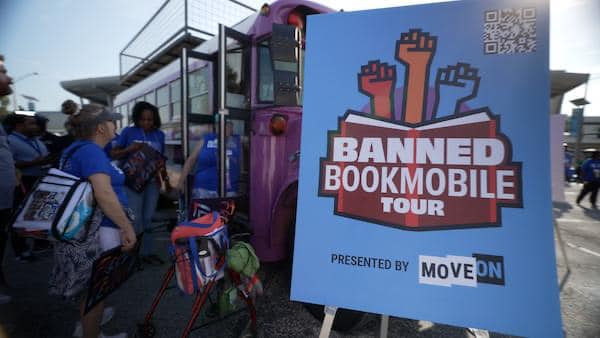
purple bookmobile with people in blue shirts waiting to enter and a sign that reads - banned bookmobile tour

Long ago, my bookmobile days were spent on the byways of rural west central Georgia and southeastern Minnesota.  The custom-built school-bus sized vehicles carried a general collection of books and media for children and adults; fiction and non-fiction and, maybe, some of same titles that are on the new Banned Bookmobile.

Unlike a traditional bookmobile where materials are available for check out and must be returned to the mobile library when the route repeats every few weeks, the mission of the Banned Bookmobile is simply to get banned titles into the hands of readers.  The titles in this giveaway collection include those most frequently challenged in schools and libraries.  Titles like Toni Morrison’s The Bluest Eye, Amanda Gorman’s The Hill We Climb and the delightful picture book, and Tango makes three, based on a true story and re-told by Justin Richardson and Peter Parnell.  When the Banned Bookmobile made its debut in Orlando on July 5, all of the copies were gone in just 10 minutes! 

In the coming weeks, the Banned Bookmobile will visit Florida, Georgia, Illinois, North Carolina, Ohio, Pennsylvania, South Carolina, Tennessee, Virginia, and Wisconsin with a goal of “giving people access to books that are inclusive of the full diversity and experiences of all of our communities.”  In addition to distributing free books, the tour will be customized by location and include presentations by authors whose works have been banned, as well as working with local officials and activists to encourage the freedom to read.  

Photo credit: MoveOn

Knitting

Celebrating Summer on the Banks of the Mississippi  

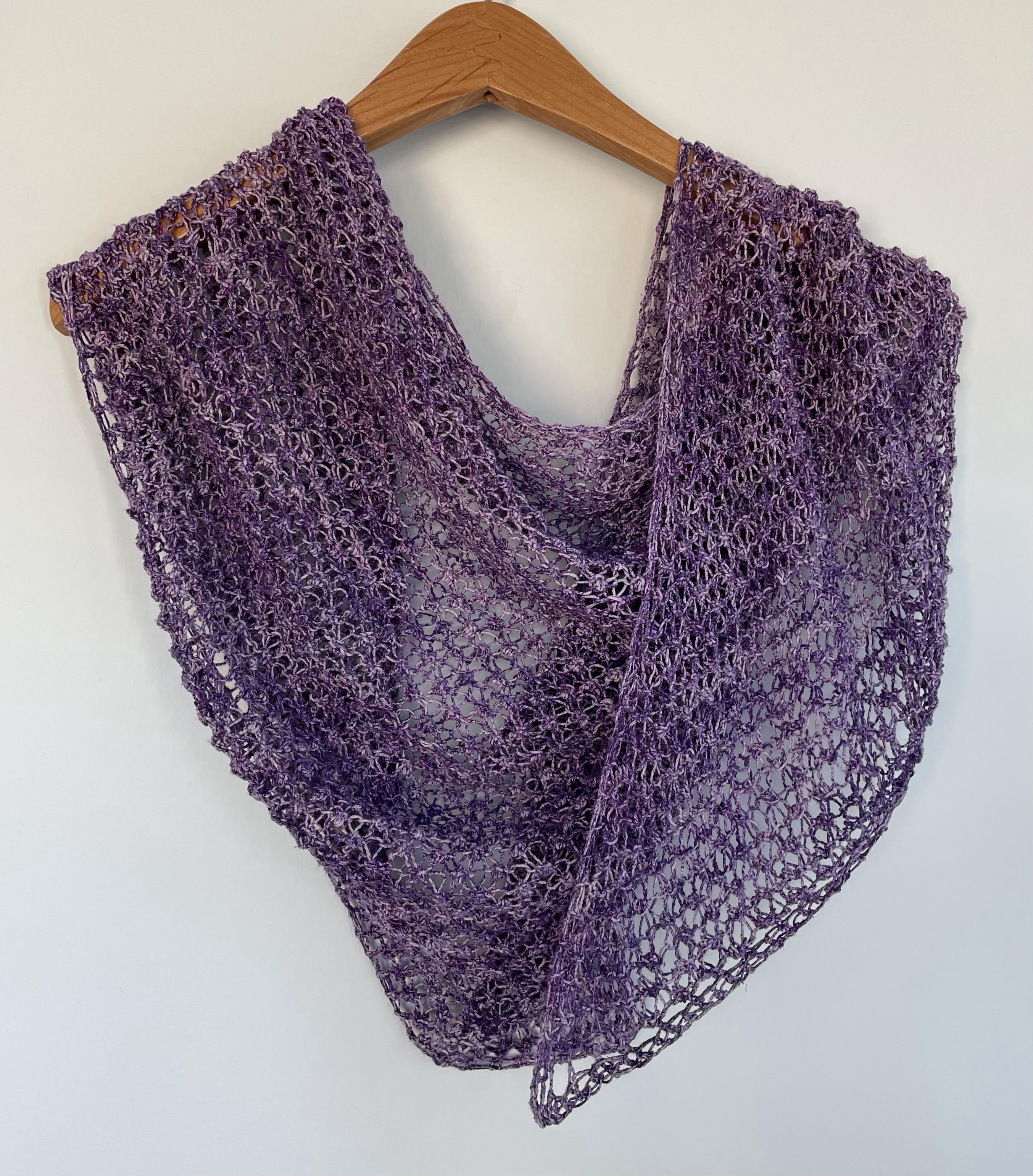
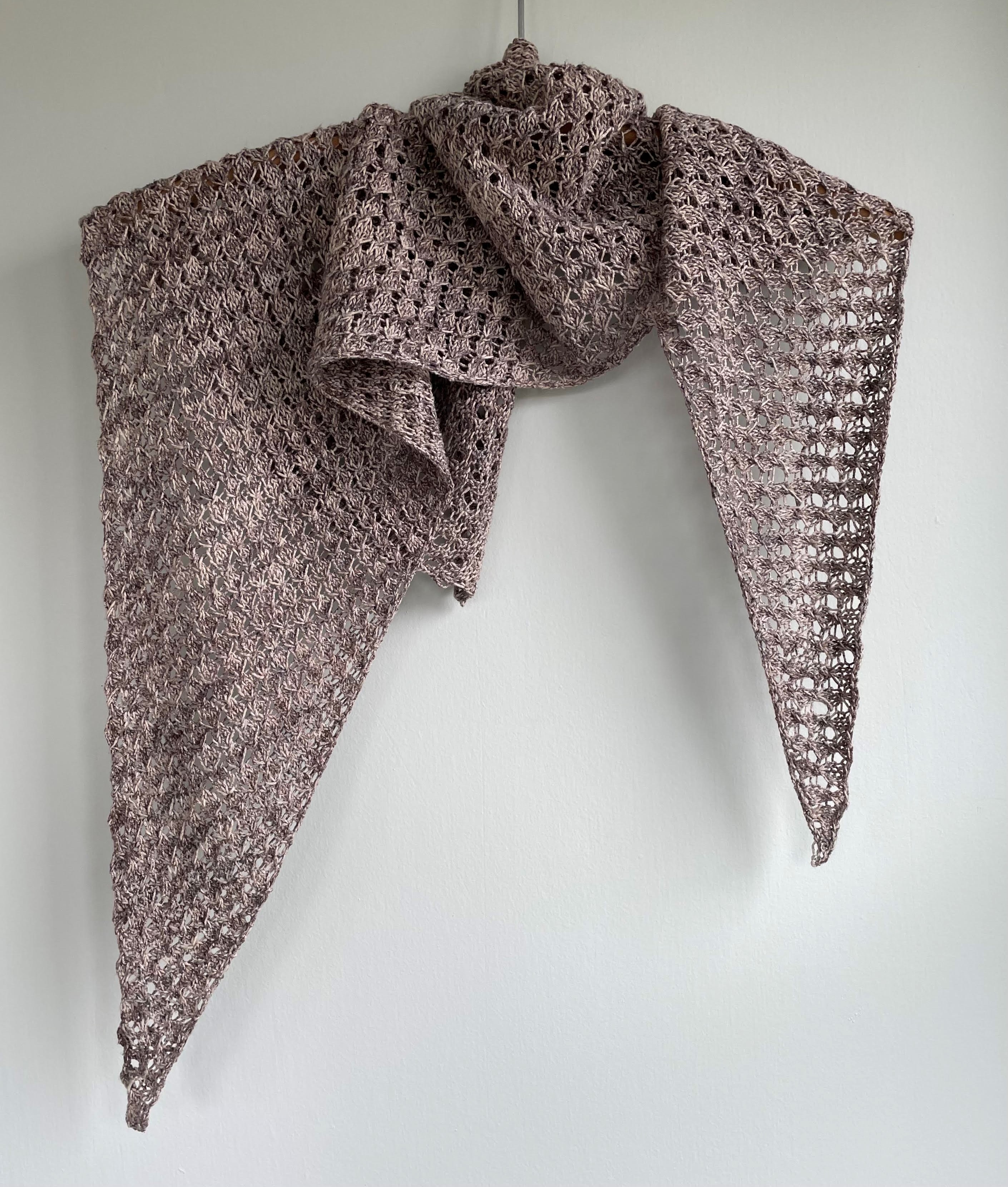
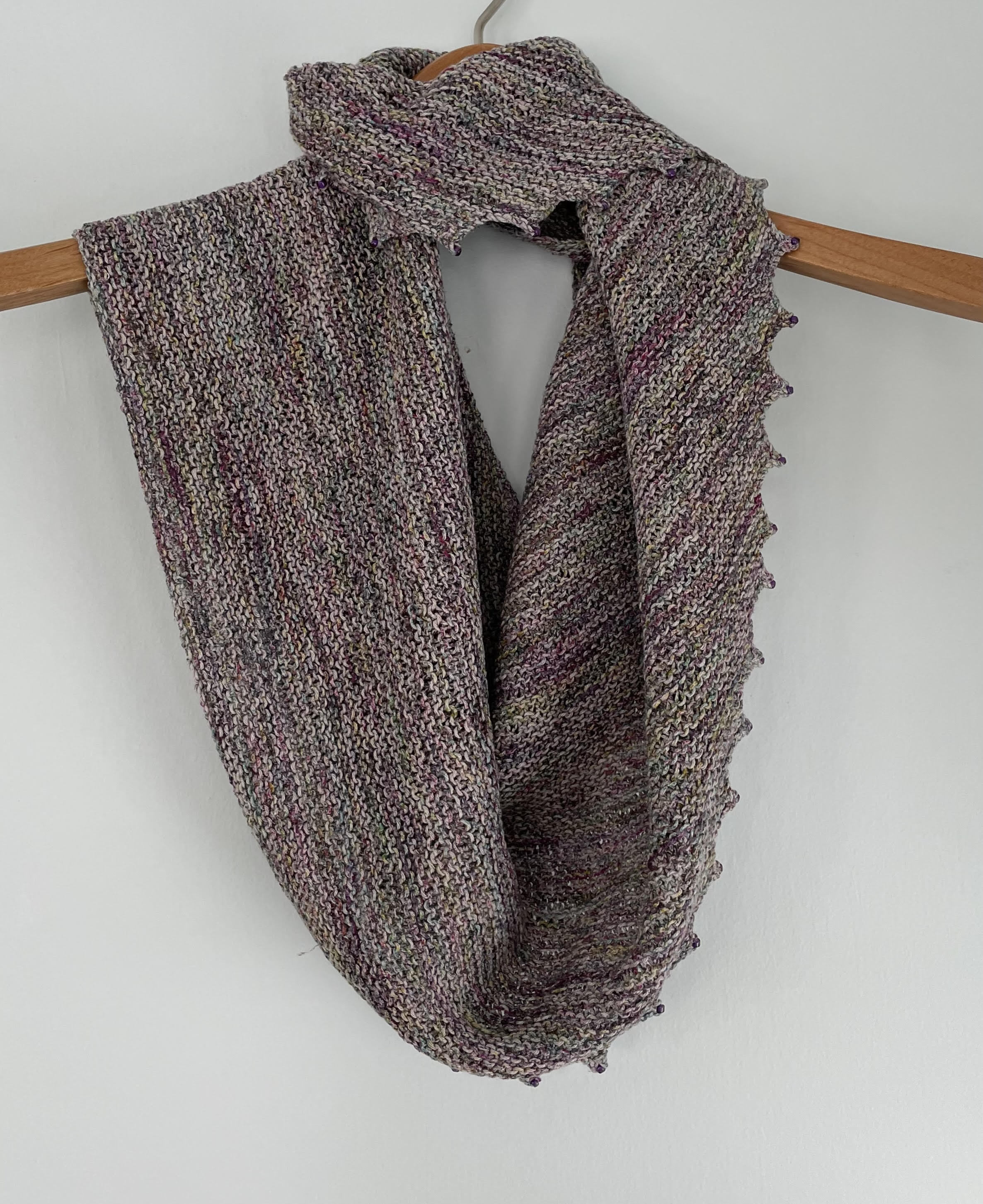
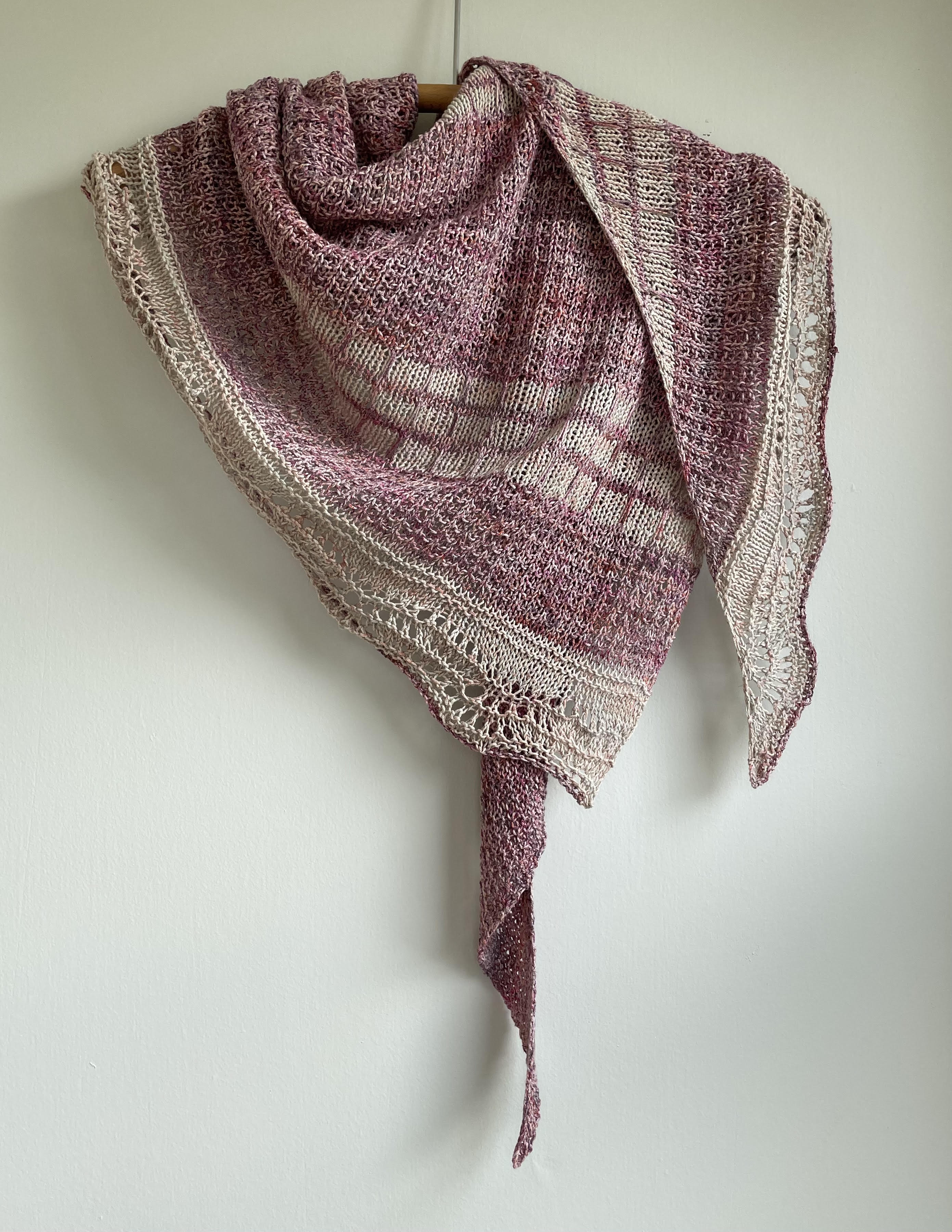
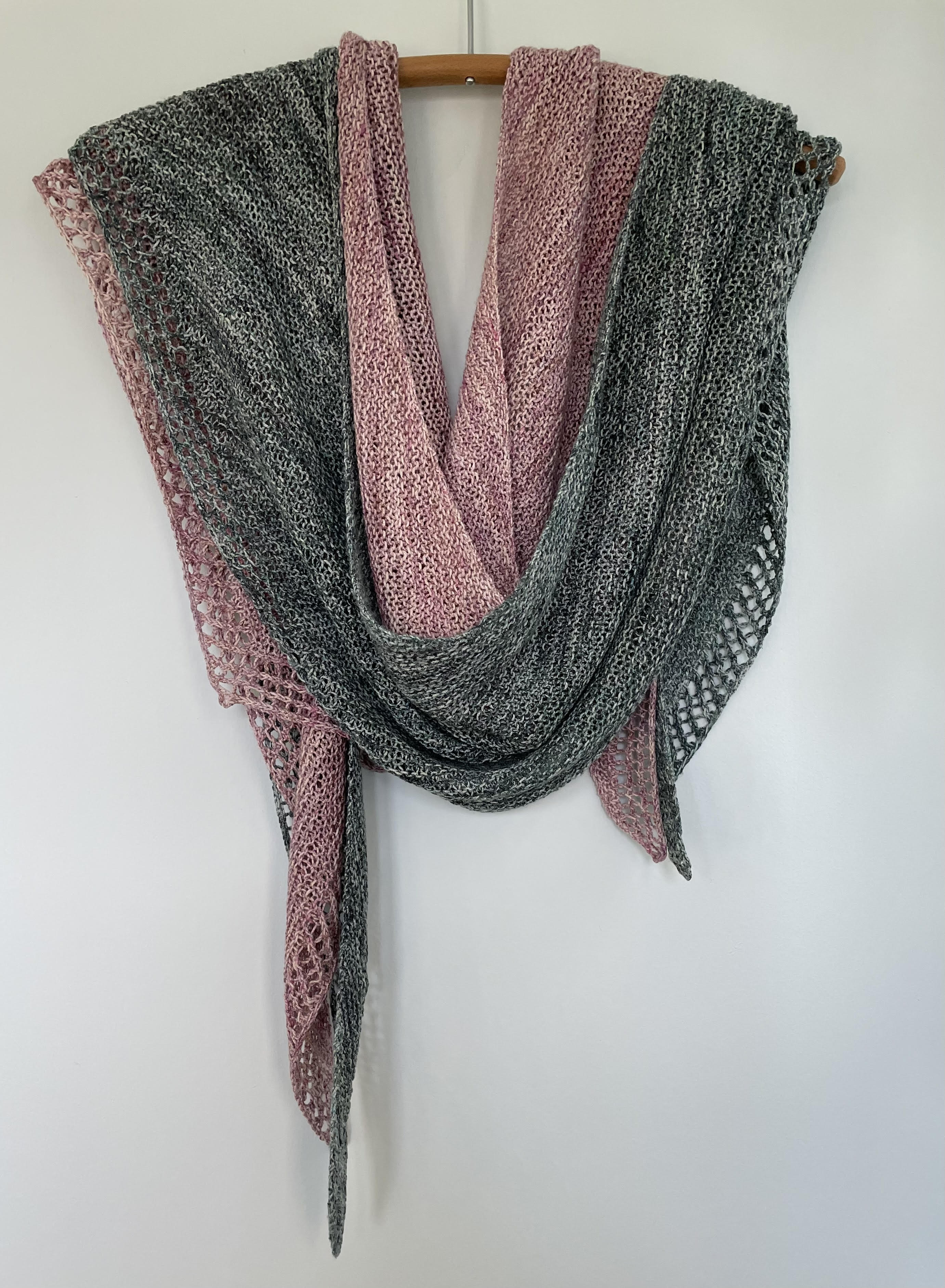
I always have at least one project on my knitting needles just to keep my hands busy and my brain alert while streaming the latest Netflix series or watching F1 cars race on circuits around the world.  A tally of projects, February 2022 through February 2023, totals 15 with six items designated as gifts for The Directors – my library loving, book reading, wine drinking group of retired friends.  Having missed joining the group due to my April Covid woes, each finally picked a favorite silk scarf or shawl last week.  Just in time for the summer solstice.